Key Takeaways
- Premium HVAC brands like Carrier, Trane, and Lennox offer advanced technology and longer warranties, while budget options like Goodman provide reliable performance at lower upfront costs.
- Installation quality often impacts system performance more than brand name, making contractor expertise crucial for any HVAC investment.
- SEER, AFUE, and HSPF ratings matter more than brand loyalty when evaluating long-term energy savings and efficiency.
- Hidden costs like proprietary parts and specialized service requirements can significantly affect total ownership expenses over time.
- Smart features and energy-saving technology are becoming standard across most manufacturers, leveling the playing field between brands.
Choosing the right HVAC system involves more than picking a recognizable name. Professional technicians evaluate dozens of factors when recommending systems to homeowners, from efficiency ratings to long-term maintenance costs. What drives these recommendations, exactly? The answer to this question can help homeowners make smarter decisions that balance upfront investment with long-term value.
Premium vs Budget Brands: What Technicians Know
The HVAC industry is divided into distinct tiers, each serving different homeowner priorities and budgets. Premium manufacturers invest heavily in research, advanced materials, and thorough testing protocols. These brands typically offer extended warranties, superior customer support, and cutting-edge features that justify higher price points.
Budget-friendly options focus on core functionality and reliability without premium features. Technicians often point out that these systems can perform just as well as expensive models when properly installed and maintained. The key difference lies in longevity, advanced features, and manufacturer support rather than basic heating and cooling capability.
Professional contractors base their recommendations on factors beyond initial cost, including ease of service, parts availability, manufacturer support, and established supplier relationships. Understanding the differences between major HVAC brands helps homeowners align their priorities with the right manufacturer for their specific needs and budget constraints.
Top Tier Brands Technicians Recommend Most
1. Carrier: Energy Efficiency and Warranty Leader
Carrier consistently ranks among technician favorites for residential installations due to strong energy efficiency ratings and extensive warranty coverage. The brand offers 10-year parts protection for compressors and components when systems are registered within 90 days of installation, though labor coverage typically requires separate arrangements with contractors.
Energy efficiency stands as Carrier’s strongest selling point, with many models achieving industry-leading SEER ratings that translate into measurable utility bill reductions. Their Infinity series features Greenspeed intelligence technology that automatically adjusts system output based on real-time home conditions, optimizing both comfort and energy consumption.
However, some competitors offer more extensive warranty packages that include labor coverage, making total cost comparisons important when evaluating long-term value. Carrier’s reputation for consistent long-term reliability often justifies the premium pricing for homeowners prioritizing proven performance over initial savings.
2. Trane: Built for Maximum Durability
Trane systems earn technician respect for exceptional build quality and longevity, with average lifespans ranging from 15 to 20 years when properly maintained. This durability comes from robust component design, extensive testing protocols, and materials engineered for demanding climates and heavy usage patterns.
The brand’s ComfortLink II communicating technology allows remote system monitoring and control, providing homeowners with detailed performance data and maintenance alerts. Technicians appreciate Trane’s consistent component quality and relatively straightforward service procedures, reducing callback rates and warranty claims.
While Trane systems command premium pricing, the extended lifespan and reduced maintenance requirements often result in lower total ownership costs compared to budget alternatives that require more frequent repairs or earlier replacement.
3. Lennox: Innovation and Smart Technology Pioneer
Lennox leads the industry in advanced features and smart home integration, offering sophisticated air purification systems that remove up to 99.9% of airborne particles. Their variable-speed technology and sophisticated control systems provide precise temperature management and improved energy efficiency.
The brand’s focus on cutting-edge technology includes extensive smart home connectivity, allowing seamless integration with popular home automation platforms. PureAir air purification systems and advanced filtration options appeal to homeowners with specific indoor air quality concerns or health considerations.
However, Lennox’s emphasis on proprietary technology can create long-term service challenges, as specialized parts and dealer-only maintenance requirements may increase ownership costs compared to brands with more standardized components and broader service networks.
Budget-Friendly Options That Actually Work
Goodman: Reliable Performance at Lower Cost
Goodman offers dependable HVAC systems at significantly lower price points than premium brands, making quality heating and cooling accessible to budget-conscious homeowners. With proper installation and regular maintenance, Goodman systems typically provide 12 to 20 years of reliable service.
The brand focuses on core functionality rather than advanced features, delivering consistent heating and cooling without premium technology or extensive smart home integration. Some models include lifetime warranties on specific components, providing additional value for homeowners prioritizing long-term protection over cutting-edge features.
While consumer feedback occasionally highlights concerns about component durability, many technicians consider Goodman systems reliable when correctly sized, installed, and maintained according to manufacturer specifications.
Rheem and York: Mid-Range Value Plays
Rheem provides solid reliability and efficiency at competitive prices, positioning itself as a value-oriented option without sacrificing basic performance. Their EcoNet technology enables remote control and energy monitoring, bridging the gap between budget and premium feature sets.
Meanwhile, York’s mid-range models offer dependable cooling with extensive warranties, including some packages with 10-year parts and labor coverage. The QuietDrive system reduces operational noise levels, appealing to homeowners prioritizing quiet operation alongside reliable performance.
However, some technicians express mixed opinions regarding York’s quality control and specific component designs, suggesting careful model selection and professional evaluation before purchase decisions. Nonetheless, both brands represent reasonable middle-ground options for homeowners seeking better-than-budget performance without premium pricing.
What Technicians Check First
1. SEER, AFUE, and HSPF Efficiency Ratings
Efficiency ratings provide objective measurements of system performance that directly impact long-term operating costs. SEER (Seasonal Energy Efficiency Ratio) ratings for air conditioners, AFUE (Annual Fuel Utilization Efficiency) for furnaces, and HSPF (Heating Seasonal Performance Factor) for heat pumps indicate how effectively units convert energy into heating or cooling output.
Higher ratings translate into reduced utility bills and environmental impact, making efficiency considerations more important than brand loyalty for cost-conscious homeowners. Technicians recommend prioritizing systems with ratings that exceed regional efficiency requirements, as the energy savings often offset higher upfront costs within several years.
2. Smart Features and Energy-Saving Technology
Smart HVAC systems utilizing Wi-Fi connectivity, sensors, and artificial intelligence can meaningfully reduce energy consumption through automatic adjustments and remote control capabilities. These systems provide energy reports, maintenance alerts, and scheduling options that optimize comfort while minimizing waste.
Variable-speed compressors and advanced control systems allow precise temperature management and improved efficiency compared to traditional single-speed units. Most major manufacturers now offer smart features, making technology integration a standard consideration rather than a premium differentiator.
3. Parts Availability and Service Support
Long-term system reliability depends heavily on parts availability and service network quality. Technicians favor brands with readily available components, extensive technical support, and established distributor relationships that ensure quick repair turnaround times.
Manufacturer support quality varies significantly between brands, affecting everything from warranty claim processing to technical assistance during complex repairs. Systems requiring specialized parts or dealer-only service may create delays and higher costs during critical repair situations.
4. Installation Quality vs Brand Name Impact
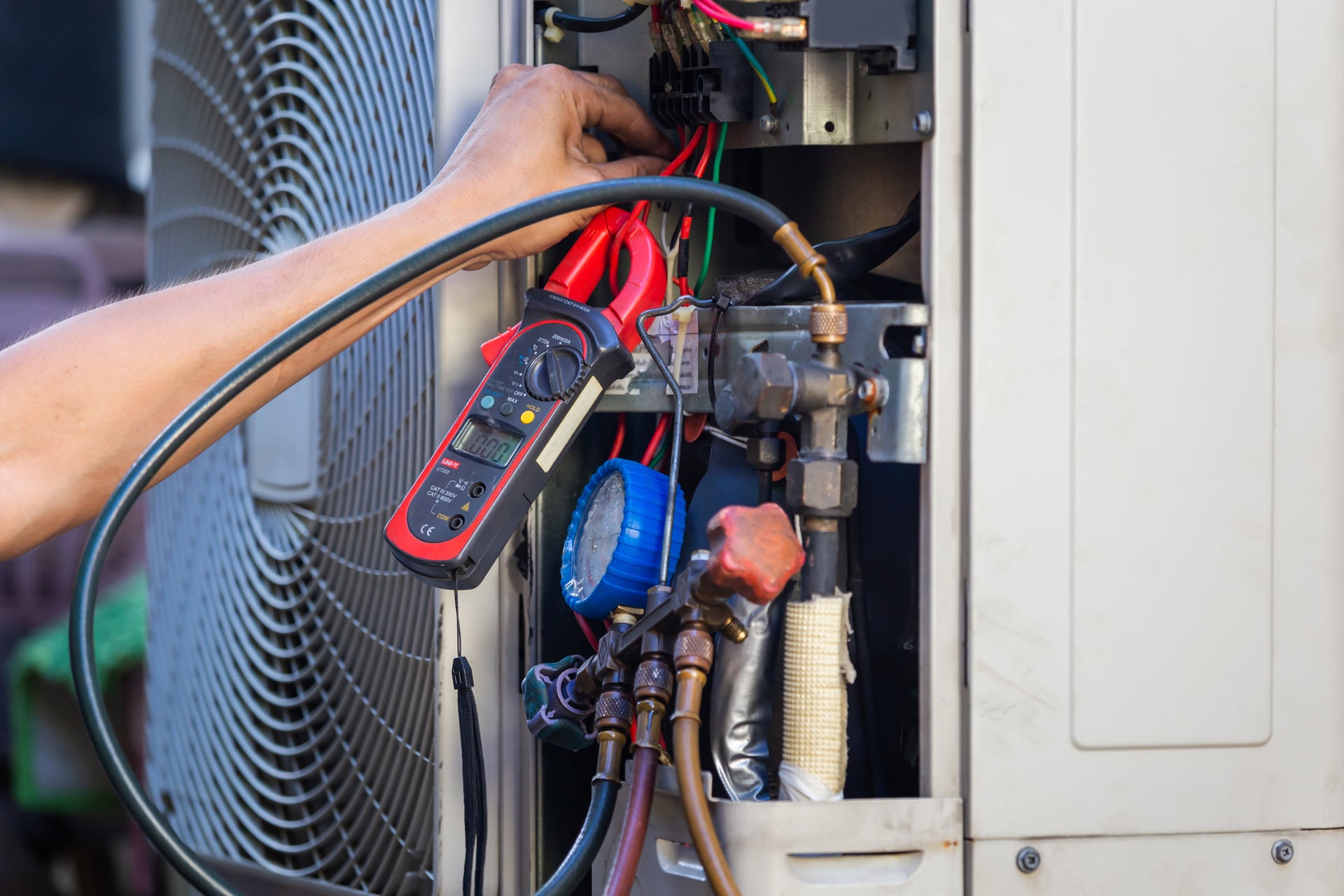
Installation quality often has a greater impact on long-term performance and reliability than brand selection itself. Even premium systems will underperform when improperly sized, incorrectly installed, or inadequately commissioned by inexperienced contractors.
Proper system sizing, ductwork design, refrigerant charging, and electrical connections determine whether any HVAC system achieves its rated efficiency and longevity. Homeowners should prioritize qualified installation contractors over specific brand preferences to ensure optimal system performance regardless of manufacturer choice.
Hidden Costs That Affect Your Decision
Proprietary Parts and Specialized Service Requirements
Some premium brands utilize proprietary components that require dealer-specific parts and specialized maintenance procedures. While these systems may offer advanced features and performance benefits, the restricted service network can create higher long-term costs and potential delays during repair situations.
Lennox systems, for example, may require specialized dealer maintenance and proprietary parts that limit service options compared to brands with more standardized components. Homeowners should factor these potential restrictions into total ownership cost calculations when comparing system options.
Long-Term Maintenance and Energy Savings
Energy efficiency improvements can offset higher upfront costs through reduced utility bills over system lifespans. Systems with superior SEER, AFUE, or HSPF ratings typically provide measurable savings that accumulate significantly over 15-20 year operating periods.
Maintenance requirements vary between manufacturers and system types, with some brands requiring more frequent service or expensive filter replacements. These ongoing costs should be evaluated alongside purchase price and efficiency ratings to determine true long-term value propositions.
Choose Your HVAC Brand Based on These Technician Insights
Installation quality, proper system sizing, and ongoing maintenance ultimately determine system performance more than brand selection alone. Rather than fixating on manufacturer names, the more useful question to ask is whether the contractor installing the system has the expertise and certifications to commission it correctly — because that decision tends to have a greater impact on long-term comfort and costs than the brand itself.
Engle Services
40300 U.S. 280
Sylacauga
AL
35150
United States
