
Originally Posted On: https://waterfiremoldtips.com/how-long-should-a-fire-damage-restoration-service-take-after-a-house-fire/
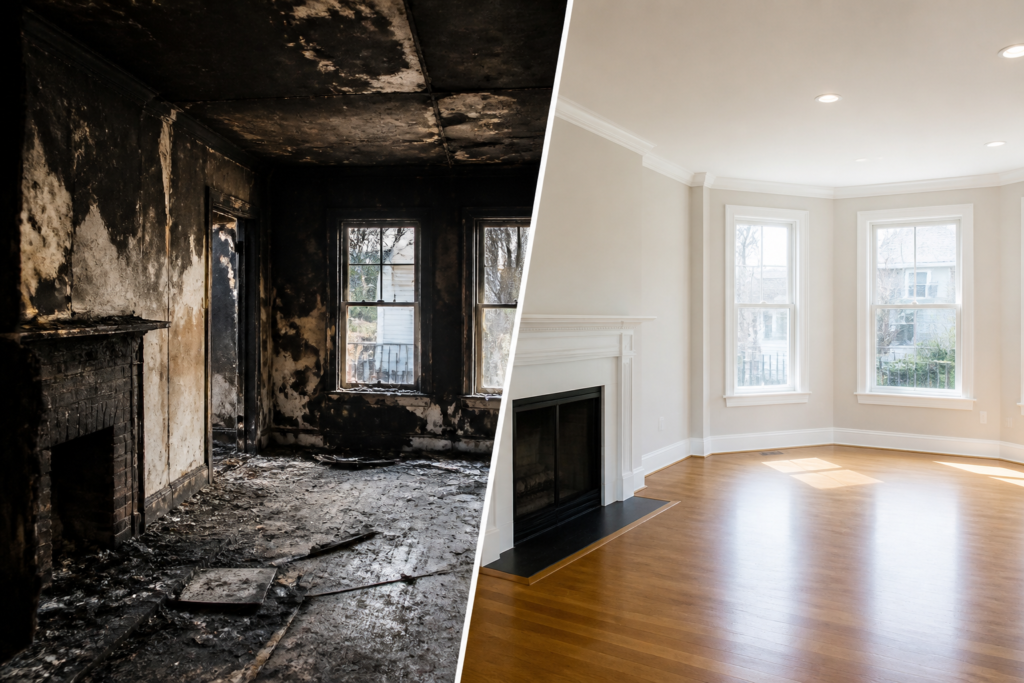
Key Takeaways
-
Expect the first phase of a fire damage restoration service to happen fast: board-up, roof tarping, safety checks, and a smoke and soot inspection should start within hours, not days.
-
Track the fire damage restoration process step by step from day one, because water removal, drying, smoke cleanup, odor treatment, and rebuild work each add time in different ways.
-
Document everything early with photos, a room-by-room inventory, and claim notes, since insurance delays can slow a fire damage restoration service more than the cleaning work itself.
-
Ask what the fire restoration company handles in-house, because a team that can manage emergency response, smoke damage cleaning services, debris removal, and repairs usually keeps the job moving.
-
Know that fire restoration cost and timeline don’t always match, because a smaller fire with heavy smoke spread can take longer than a larger fire that stayed contained to one area.
-
Check what can actually be saved before replacing everything, since fire damage restoration often includes cleaning contents, removing odor, and restoring parts of the house that look worse than they are.
Minutes matter after a house fire. In New York City, a fast fire damage restoration service can keep smoke acids from biting deeper into paint, metal, stone, and fabric within hours—not days. Homeowners usually want one answer right away: how long until this place is safe, clean, and livable again? The honest answer is that some jobs move in 3 to 7 days, while heavy structural work can stretch for weeks or longer.
That gap isn’t guesswork. It comes down to what burned, how far the smoke traveled, how much water the fire department used, and whether the crew handling cleanup can move from emergency board-up to drying, soot removal, odor control, and repairs without losing time between trades. In practice, the first 24 hours set the pace for everything after that—and a shaky start can add days fast. For NYC homes, co-ops, brownstones, and multi-unit buildings, timing also gets tied up with access, building rules, and claim paperwork (which slows jobs more than people expect).
Fire damage restoration service timeline: what homeowners in NYC should expect in the first 24 hours
At 2:15 a.m. in Queens, a kitchen fire is out, the house smells like smoke, one rear window is blown, — dirty water from the fire department is still on the floor. In that first day, a fire damage restoration service should move fast—secure the building, check safety, and start records before soot spreads farther.
Emergency board-up, roof tarping, and site safety after a house fire
Safety comes first. A crew should board broken windows, tarp an open roof, and block off unsafe rooms (especially near a weakened stair, ceiling, or wall). In practice, the first 2 to 6 hours often include:
-
Board-up to stop weather, theft, and drafts
-
Roof tarping if fire forced openings above
-
Power and gas checks before anyone starts cleaning
Initial smoke, soot, and structural damage inspection by a fire restoration company
Not all damage is obvious. Good fire remediation companies inspect visible soot, hidden smoke spread inside cabinets and HVAC runs, and structural trouble—charred framing, cracked plaster, soft subfloor, even extinguisher residue. Short visit? Bad sign.
A proper first inspection usually covers three things: site safety, smoke and soot mapping, and salvage triage. Some items can be saved. Some can’t.
How insurance photos, inventory, and claim notes can affect the timeline
Paperwork slows jobs when it starts late. Clear photos, room-by-room inventory, and claim notes taken that same day can shave off days—sometimes more—because the adjuster sees the scope early. And in NYC, where access, parking, and building rules can drag out a job, that early record matters a lot.
Fire damage restoration process step by step: how long each phase usually takes
Speed matters after a house fire. A fire damage restoration service usually moves in four phases, and each one has its own clock—miss a step, and smoke, water, and soot keep spreading through the house.
Water removal and drying after firefighting efforts
Fire crews often leave behind hundreds of gallons of water. Extraction can take 4 to 12 hours, while drying usually takes 3 to 5 days with air movers, dehumidifiers, and moisture checks inside walls, subfloors, and the attic (a big issue in older NYC and Northeast homes).
Smoke damage cleaning services near me: soot cleanup, odor removal, and air scrubbing
Soot cleanup starts fast—usually within the first 24 hours—because acidic residue can stain paint, metal, and stone. A search for fire restoration service near me should lead to a crew that handles HEPA air scrubbing, smoke cleaning, and odor treatment in 1 to 3 days for light damage, longer for heavy smoke.
Demolition, debris removal, and salvage decisions for damaged rooms and contents
Not everything gets saved. In practice, packed rooms, a burned kitchen, or a smoke-hit warehouse area can add a full day or two while staff sort debris, contents, and code-related safety issues.
-
Light damage: 1 day
-
Moderate damage: 2 to 4 days
-
Heavy structural loss: 5+ days
Repairs, rebuild work, and final cleaning before move-back
Repairs take the longest—often 1 to 6 weeks. The best fire damage restoration services handle framing, drywall, cleaning, paint, and final walkthroughs, so the house is safe to re-enter and doesn’t still smell like smoke.
What can speed up or delay a fire damage restoration service near me?
How fast can a crew finish after a house fire? The honest answer depends on what burned, where the smoke traveled, and what the building department finds once walls, ceilings, and HVAC paths get checked—especially in an older NYC house or apartment building.
Size of the fire, hidden smoke spread, and how many rooms were affected
A small kitchen flare-up with one extinguisher discharge may take days. A fire that pushed smoke through hallways, vents, and a second-floor bedroom can stretch much longer. In practice, a fire restoration service moves faster when damage stays in 1 or 2 rooms and slower when soot reaches insulation, ductwork, or a basement storage area.
-
Faster jobs: light smoke, limited cleaning, no structural drying
-
Slower jobs: wet suppression damage, hidden smoke, heavy odor work
Older NYC homes, apartment buildings, and local permit or code issues
Old buildings slow things down.
Plaster walls, shared shafts, tight access, and code upgrades can add days—or more. If the fire department opened walls, or if wiring in a Brooklyn brownstone or Bronx apartment tower needs repair, permits and inspection timing matter.
Item pack-out, specialty cleaning, and waiting on insurance approval
Contents work adds real time. Clothing, papers, electronics, and smoke-hit furniture may need pack-out, cleaning, and off-site storage (not a quick same-day task). People searching for the best fire restoration companies near me should ask three blunt questions: who handles inventory, who sends photos to insurance, and who waits for approval before rebuild work starts.
Fire restoration cost and scope: why faster service does not always mean a shorter project
House fires can double cleanup costs in the first 24 to 72 hours if soot, smoke, and water used by the fire department stay in place. Fast dispatch matters, but a rushed fire damage restoration service can miss hidden acid soot inside wall cavities, attic spaces, or HVAC runs—and that mistake drives the job longer, not shorter.
In practice, price follows scope. A small kitchen fire in a Brooklyn house may need odor control, cleaning, and cabinet removal. A larger loss that reached a stair tower, basement store room, or warehouse-style garage usually adds board-up, code repairs, and rebuild work. Homeowners searching for a fire clean up company should ask what is included before judging speed alone.
Remediation vs. full fire damage restoration
Not the same. Remediation stops the mess from spreading; full restoration puts the house back in usable shape.
-
Remediation: soot removal, debris pickup, drying, odor treatment, air cleaning
-
Restoration: demolition, structural repair, insulation replacement, paint, trim, flooring, final rebuild
A good fire damage restoration service moves in steps—secure, clean, repair. That order works.
What is usually salvageable after a house fire, and what is not
Some items survive. Some don’t.
-
Usually salvageable: hardwood framing, metal fixtures, some tile, glass, and cleanable contents with light smoke film
-
Often not salvageable: porous insulation, charred drywall, warped cabinets, melted wiring jackets, and heavy-smoke soft goods
For stubborn smells, smoke odor restoration after fire damage often takes longer than surface cleaning alone (especially in older Northeast homes with closed wall bays).
Choosing a fire restoration company for fast, trustworthy results after a house fire
The biggest myth? The cheapest crew is the fastest. After 15 years in emergency response, the pattern is obvious—slow inspection, thin staff, and weak smoke cleaning turn a 7-day job into three weeks. A real fire damage restoration service should move from board-up to cleaning to rebuild without handoff delays.
Signs the company can handle emergency response, smoke damage cleaning, and rebuild work
Start with proof, not promises. Good teams show up ready to secure the house, check smoke spread, and document damage room by room (including attic and basement areas people miss).
-
24/7 dispatch with arrival targets under 60 minutes
-
IICRC training and clear fire restoration certification records
-
Board-up, odor removal, cleaning, and rebuild under one company
-
Daily photo updates and insurance paperwork support
In Brooklyn, a kitchen fire can push soot through the HVAC fast—much faster than most owners expect. That’s why people compare smoke damage restoration companies based on response time, cleaning scope, and rebuild capacity. For borough-specific crews, Brooklyn fire damage restoration teams should already know local building code, department access rules, and tight row-house conditions.
Questions to ask about fire restoration certification, staffing, and daily communication
Ask blunt questions. Who handles the emergency call? How many staff are on the fire crew today? Will the same manager stay on-site through cleaning and rebuilding?
-
Can they start tarping or board-up tonight?
-
Do they test soot in hidden areas?
-
Will they send a written step-by-step schedule—every day?
If those answers feel vague, move on. Fast matters. Clear matters more.
Frequently Asked Questions
What does fire damage restoration involve?
A fire damage restoration service starts with safety checks, site stabilization, — a full inspection of structural damage, soot, smoke spread, and water left from firefighting. From there, the crew handles board-up or tarping if needed, debris removal, smoke damage cleaning, odor treatment, drying, repairs, and rebuild work. In practice, the first 24 hours matter most—fast action cuts down on corrosion, staining, and smoke odor that sinks deeper by the hour.
What’s the difference between remediation and restoration?
Remediation means stopping the damage and making the property safe. Restoration means putting it back into usable condition—cleaning, repairing, rebuilding, and getting the space ready for normal life again. People mix those up all the time, but they aren’t the same job.
Is anything salvageable after a fire?
Yes, a lot can still be saved, but not by waiting. A good fire restoration company checks framing, drywall, flooring, contents, HVAC parts, and personal items to see what can be cleaned, deodorized, or repaired. The honest answer is this: smoke and soot ruin more items from delay than from flame contact alone.
How long does fire damage restoration take?
Small kitchen fire cleanup may take a few days, while a heavier loss with smoke in several rooms can take weeks. If the fire hit structural parts, or if water from the fire department soaked walls and floors, the timeline gets longer—sometimes much longer. Want a real answer? The scope inspection tells you more than any online guess ever will.
How much does a fire damage restoration service cost?
Fire restoration cost depends on square footage, depth of soot, smoke spread, water damage, demolition needs, and rebuild work. A minor smoke cleanup might stay in the low thousands, while a serious house fire can climb fast once framing, electrical, insulation, and code-required repairs enter the picture. If you’re in New York City or the Northeast, labor rates, access issues, and multi-unit building rules can push costs up.
Should I stay in my house after a fire?
Usually, no—not until the property is cleared as safe.
Smoke particles, hidden soot, wet materials, and damaged wiring can make the space risky even if the fire is out. But here’s the thing. Plenty of homes look fine at first glance, and they still have acidic soot on surfaces, odor in the HVAC system, and water trapped behind walls.
What should I do in the first 24 hours after a fire?
Call your insurance carrier, take photos, secure the property, and bring in a fire damage restoration service near me as fast as you can. Don’t scrub soot, don’t turn on HVAC if smoke moved through the system, and don’t toss damaged items before they’re documented (that’s a common claim mistake). Fast. Calm. Document everything.
Can smoke odor really be removed, or is it permanent?
It can be removed, but only if the source is treated the right way. Wiping visible soot isn’t enough—smoke gets into insulation, ductwork, framing, fabrics, and tiny gaps around trim. That’s why smoke damage cleaning services near me should include odor treatment, source removal, and air cleaning, not just surface cleanup.
Do I need a certified fire restoration company?
Yes. Hire a team with fire restoration certification, proper insurance, and hands-on experience with smoke, soot, water damage, and rebuild work. Realistically, fire cleanup isn’t a basic cleaning job—it’s a damage control job with safety, documentation, and code issues tied to it.
What does the fire restoration process, step by step, usually look like?
Most jobs follow this order: emergency contact, inspection, board-up or tarp, water removal, drying, soot and smoke cleanup, odor treatment, demolition where needed, repairs, and final walk-through. Some steps overlap—and they should—because waiting too long between phases lets odor and staining settle deeper. If you ask for a fire restoration checklist, this is the version that matters on site.
After a house fire, the timeline rarely fits into one neat box. Some homes need a day or two of emergency work—board-up, drying, and smoke control—while others need weeks of cleaning, tear-out, repairs, and rebuilds. That’s normal. The real question isn’t just how fast the crew arrives. It’s whether the scope was judged correctly from the start, whether hidden smoke and water damage were found early, and whether insurance notes and photos were handled well enough to keep the job moving.
A good fire damage restoration service doesn’t rush past the hard parts. It secures the property, checks structural and smoke spread room by room, and builds a clear plan for cleanup, salvage, and reconstruction. A faster response helps. Sloppy scoping doesn’t.
For homeowners in NYC and the Northeast, the next step should be direct and immediate: call Dual Restoration at 347-218-8199 for a 24/7 on-site assessment, ask how soon they can start board-up and smoke cleanup, and get a written plan for the first 24 hours before more damage sets in.
Dual Restoration
5308 13th Ave Suite 615, Brooklyn, NY 11219
(347) 309-7119
dualrestoration.com
View Google Business Profile
Follow us: Instagram · LinkedIn


