
Key Takeaways
- A super-absorbent hydrogel can hold up to 10 litres of water per 100g, releasing moisture slowly as soil dries out.
- Hydrogel granules work as an ionic pump, feeding roots a steady stream of nutrients while cutting down on fertiliser leaching.
- Growers can expect roughly 50% less watering along with better protection against root rot in heavy or waterlogged soils.
- Application rates differ for containers, garden beds, and established plants, so getting the dosage right matters for results.
Water shortages, patchy irrigation schedules, and root rot rank among the most persistent headaches facing professional growers across Slovenia and the wider EU. Hydrogel technology has quietly become one of the most practical answers to all three, changing how nurseries, green infrastructure teams, and horticulturists manage moisture and nutrition in the soil. This piece breaks down how hydrogel works, why more growers are adopting it, and how to apply it correctly for the best results.
Hydrogel Holds 10 Litres Per 100g
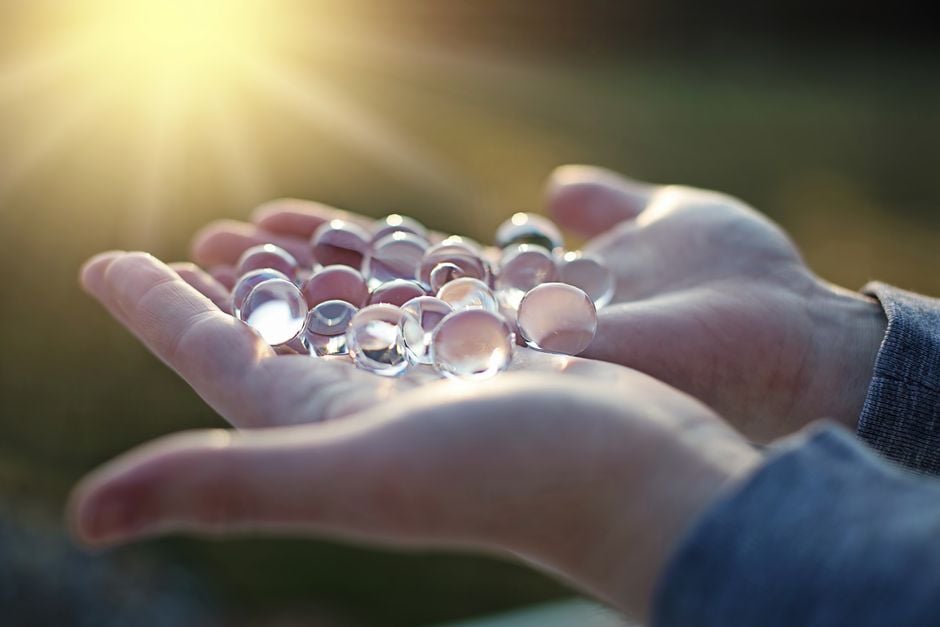
A super-absorbent hydrogel is a polymer that swells into a soft, water-filled gel once mixed into soil. As the surrounding soil dries, the gel releases its stored water gradually, smoothing out the peaks and troughs that plants normally experience between waterings.
According to Kranj specialists from Humko, hydrogels have been used in agriculture for many decades, with research pointing to consistent improvements in growth and survival rates for woody plants that struggle with drought stress.
The scale of coverage matters just as much as the absorption figure. A modest 100g of hydrogel treats approximately 50 litres of potting mix or covers around 5 square metres of garden bed, which makes it straightforward to calculate exactly how much a nursery or landscaping project will need before work begins.
How the Ionic Pump Feeds Roots
Water retention only tells half the story. The real advantage of a well-engineered hydrogel lies in how it interacts with dissolved nutrients in the soil, holding onto them long enough for roots to actually use them.
Steady Nutrients, Less Leaching
Hydrogel granules function as an ionic pump, drawing dissolved nutrients into the gel matrix and releasing them steadily as roots draw moisture from the reservoir. This steady supply keeps fertiliser where it’s needed instead of washing away with the next heavy watering or rainfall. Reduced leaching also means less fertiliser waste overall, since nutrients that would otherwise disappear into deeper soil layers or drainage systems remain available within the root zone for longer.
For growers managing container plants or sandy beds, where nutrients typically wash through fast, this steady nutrient delivery can make a noticeable difference to plant vigour between feeding cycles. Roots spend less energy searching for scattered pockets of nutrition and more energy on growth.
Stable Across pH 4-9 and Temperature Extremes
A hydrogel is only useful if it holds up under real growing conditions, and this is where the underlying chemistry matters. Many garden hydrogels are built from cross-linked polyacrylamide polymers. The cross-linking stops the gel from dissolving in water, while the polymer’s ionic charge helps it attract and hold moisture. When choosing a product, it is worth checking the stated pH and temperature range. A gel rated for both acidic and alkaline soils, and for both summer heat and cooler months, will suit a wider range of planting situations.
Absorbency and durability also vary between products. Salts, hard water, and repeated wetting and drying cycles can reduce how much water a gel holds over time. A sturdier polymer structure helps a gel keep working through seasonal swings, rather than losing effectiveness partway through the growing season.
Why Growers Are Switching to Hydrogel
Professional growers rarely adopt a new input unless it solves a tangible problem, and hydrogel technology addresses several at once. The following four benefits explain why interest has grown steadily among nurseries, landscapers, and organic farms.
50% Less Watering
One of the most immediately noticeable effects of hydrogel use is a reduction in irrigation frequency, with growers commonly reporting around 50% less watering needed once the gel is established in the root zone. Fewer watering cycles mean lower labour costs on large nursery sites and reduced strain on irrigation infrastructure during dry spells.
100x Water Absorption
Each hydrogel crystal can absorb many times its own dry weight in water, acting as a microscopic reservoir buried right where roots can reach it. This capacity lets a relatively small quantity of granules make a measurable difference across a large planting area, without adding bulk or weight to soil mixes.
Preventing Root Rot
A product built around water retention also helps prevent root rot. The gel improves drainage in heavy soils by creating pockets of structure that let excess water pass through more freely, while still holding onto enough moisture to keep roots hydrated. This balance encourages deeper, more extensive root systems rather than the shallow, waterlogged roots that often precede rot. Maintaining reasonable soil aeration alongside hydrogel use remains a factor, since stagnant, poorly oxygenated conditions can still create problems regardless of the amendment used.
Breaks Down Naturally in 3-5 Years
Sustainability credentials matter for organic operations and green infrastructure projects, and this is an area where hydrogel technology performs well. Most hydrogels break down naturally over 3-5 years, leaving no lasting residue in the soil once their water-holding job is done. This finite lifespan means reapplication becomes part of a predictable, sustainable maintenance cycle rather than an indefinite chemical input.
Where Hydrogel Solves Real Problems
Hydrogel isn’t suited to every growing situation equally. It tends to deliver the biggest gains where water retention is naturally poor or where irrigation access is limited, which points to a handful of clear use cases.
Sandy Soils and Drought-Prone Beds
Sandy soils drain so quickly that water and nutrients often disappear before roots get a chance to use them. Vegetable gardens planted in sandy soil, along with broader xeriscape and drought-prone planting projects, benefit substantially from a hydrogel amendment that slows drainage and keeps moisture within reach of root systems.
Green Roofs and Vertical Gardens
Green infrastructure projects face a particular challenge: shallow growing mediums with limited capacity to store water, exposed to wind and sun on rooftops or vertical surfaces. Incorporating hydrogel into these systems helps manage stormwater more effectively and can ease the urban heat island effect that concrete-heavy environments tend to worsen. For green infrastructure professionals and municipal green space managers, this makes hydrogel a practical tool rather than an optional extra.
Newly Planted Trees and Shrubs
Transplant shock is one of the biggest risks facing newly planted trees and shrubs, particularly during their first growing season. Hydrogel applied at planting time helps young root systems establish themselves by buffering against the moisture swings that often follow transplanting, supporting stronger germination and more resilient early growth.
Getting the Application Right
Applying too little hydrogel wastes the investment, while applying too much can alter soil structure unnecessarily. Matching the rate to the planting context is straightforward once the basic ratios are understood.
Mixing Into Containers Before Planting
For balcony planters, hanging baskets, and other container plantings, mix 1- 2 g of hydrogel per litre of soil before planting takes place. Working the granules through the mix thoroughly, rather than layering them at the bottom of the pot, ensures even water distribution once the gel begins to swell.
Treating Garden Beds and Established Plants
Garden beds call for a different approach. Apply 20- 30 g per square metre and incorporate the granules into the top 10- 15 cm of soil, where most feeder roots are concentrated. For established plants that are already in the ground, create small holes around the drip line, fill them with gel, and water thoroughly afterwards to activate the polymer and settle it into place.
- Containers: 1- 2 g per litre of soil, mixed in before planting
- Garden beds: 20-30g per square metre, worked into the top 10-15cm.
- Established plants: holes filled with gel around the drip line, followed by a thorough watering
Hydrogel Supports Sustainable Plant Care
Hydrogel technology brings together water retention, steady nutrient delivery, and root protection in a single, biodegradable input, addressing several of the most common pain points professional growers face at once. From sandy vegetable plots to green roofs and freshly planted trees, the applications span nearly every corner of professional horticulture, and the dosing guidelines make correct application straightforward regardless of project scale.
As water availability becomes a growing concern across the EU’s agricultural and landscaping sectors, tools that reduce irrigation demand while protecting plant health are likely to see continued adoption. For growers ready to put this into practice, looking into hydrogel solutions for sustainable plant care is a sensible next step toward healthier plants and lower water bills.
HUMKO, d.o.o., Bled
Podnart 33a
Podnart
Radovljica
4244
Slovenia


